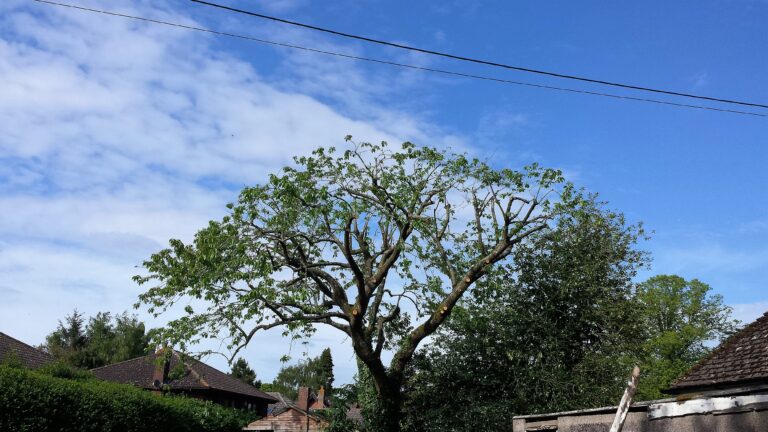
Seasonal timing also affects wildlife, tree health and the type of work a tree surgeon should undertake. Understanding these factors helps protect your trees and supports healthy future growth.
Broderick Tree Care provides professional tree services for homeowners, businesses and property managers who need informed advice about the right time to arrange tree work.
Is Winter the Best Time for Tree Surgery?
Winter often provides suitable conditions for many types of tree surgery because deciduous trees enter dormancy and lose their leaves.
The lack of foliage gives tree surgeons a clearer view of the branch structure. This visibility helps when assessing damaged limbs, crossing branches and areas that need pruning.
Dormancy also reduces active growth, making winter suitable for work on many species. The correct timing still depends on the individual tree. Some trees have specific pruning requirements, so species identification should form part of the assessment before work starts.
Winter tree surgery also reduces the chance of encountering nesting birds compared with spring and summer. Tree surgeons still need to check trees for protected wildlife before starting work.
Does Tree Surgery Take Place During Spring?
Spring brings active growth, new foliage and increased wildlife activity. These conditions require greater care when planning tree work.
Some light pruning and essential safety work still take place during spring. Extensive pruning might need to wait where the timing would affect the health of a particular species.
Wildlife presents another important consideration. The main UK bird nesting period generally starts in early March and runs through summer. The Wildlife and Countryside Act 1981 protects wild bird nests while they remain in use or under construction.
Professional tree surgeons check for active nests before starting work. Finding an active nest often means delaying non-urgent work until the young birds have fledged.
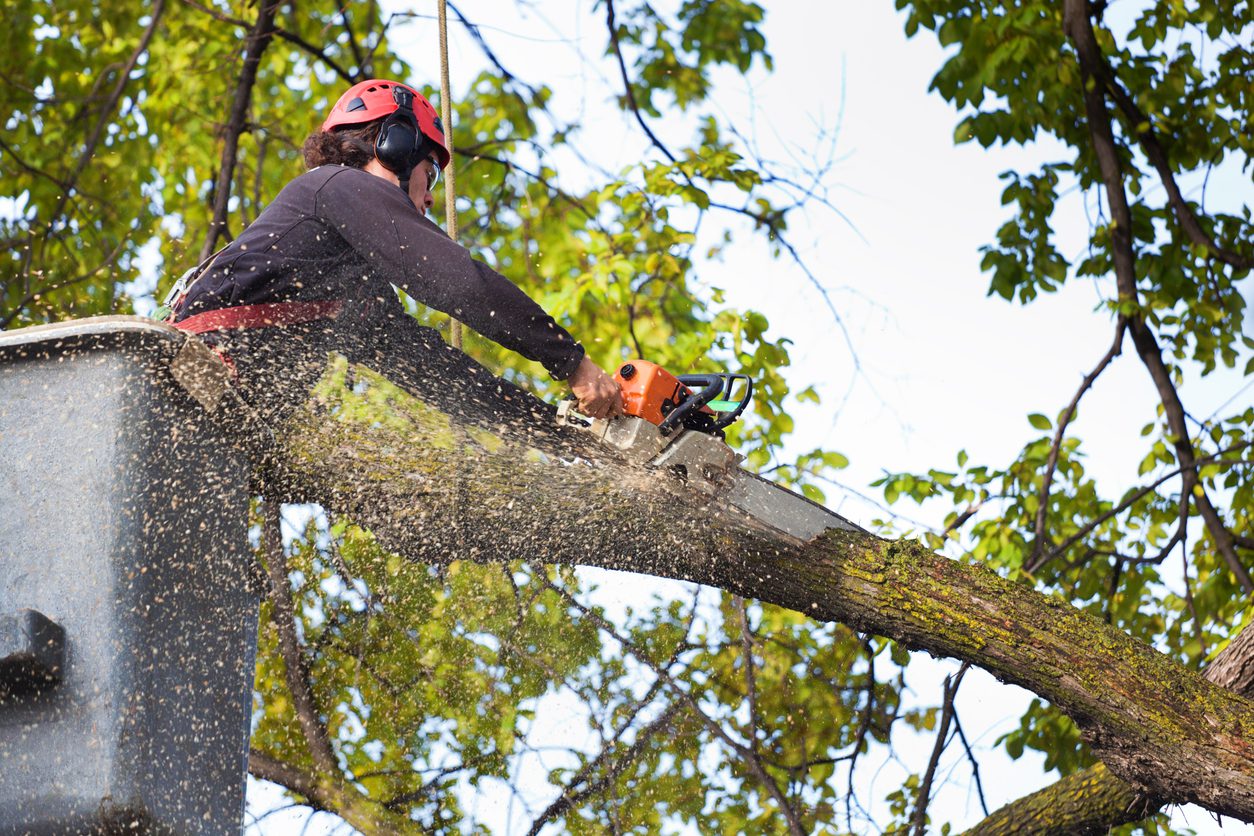
Should Tree Surgery Take Place During Summer?
Summer tree surgery depends heavily on the species and reason for the work.
Trees carry full foliage during this period, making it easier to assess canopy density, dead branches and the amount of shade a tree creates. Certain pruning tasks also suit specific species during summer.
Wildlife needs careful consideration. The main nesting season often runs from early March into August, so tree surgeons should check for active nests before beginning work.
Safety work presents a different situation. A damaged branch hanging over a driveway, building or public area might require urgent attention regardless of the season. An experienced tree surgeon should assess the hazard and determine a safe approach while accounting for wildlife and legal restrictions.
Is Autumn a Good Time for Tree Surgery?
Autumn marks the transition towards dormancy for many deciduous trees. Once leaves begin to fall, branch structures become easier to inspect and planning winter maintenance becomes more straightforward.
This period provides a useful opportunity to assess trees before winter storms. Dead, damaged or structurally weak branches might present a greater risk during strong winds.
An autumn inspection helps identify work that needs attention before severe weather arrives. Pruning, crown management and deadwood removal might form part of the recommended work depending on the tree.
Early assessment also gives property owners time to plan larger projects rather than waiting for damage to create an emergency.
Does the Type of Tree Affect the Best Pruning Time?
Species plays a major role in deciding when pruning should take place.
Different trees respond differently to pruning cuts throughout the year. Age, health, previous maintenance and the purpose of the work also influence the correct approach.
A young tree might need formative pruning to develop a balanced structure. A mature tree might require deadwood removal, crown reduction or crown lifting to manage safety and clearance.
Professional assessment helps determine both the appropriate technique and timing. Broderick Tree Care’s tree services cover pruning, crown management and other tree care based on the requirements of each tree.
When Should Tree Surgery Be Avoided?
Tree surgery should not follow a fixed calendar without considering the tree and its surroundings.
Active bird nests provide one clear reason to postpone non-essential work. UK law protects nests while birds use or build them, so work must not damage or destroy an active nest.
Protected trees also require additional checks. A Tree Preservation Order or conservation area status might mean permission or notification is required before pruning or removal.
Severe weather also affects safety. Strong winds, storms, ice and other poor conditions might make planned work unsuitable even when the season would otherwise support it.
What About Emergency Tree Surgery?
Dangerous trees do not follow seasonal schedules.
Storm damage, fallen branches, structural failure or a tree presenting an immediate risk to people or property requires prompt professional assessment. Waiting for winter is not appropriate where a genuine safety concern exists.
A tree surgeon should assess the condition of the tree, identify the immediate risk and determine the safest response. Emergency work might involve removing damaged branches, reducing unstable sections or removing the tree where no safe alternative exists.
Regular inspections help identify defects earlier and reduce the chance of unexpected problems developing.
Do You Need Permission Before Arranging Tree Surgery?
Some tree work requires checks before work starts.
Trees protected by a Tree Preservation Order need specific consideration, while trees within conservation areas also fall under planning controls. Checking the status of a tree before pruning or removal helps prevent unauthorised work.
Wildlife protections apply separately. An absence of planning restrictions does not remove the responsibility to protect active nests and other protected species.
Agricultural hedgerows have additional rules, with seasonal restrictions applying to certain cutting and trimming work.
Professional advice helps establish which requirements apply to a particular property and proposed job.
How Do You Know When Your Tree Needs Professional Attention?
Visible damage provides one reason to arrange an assessment, though healthy-looking trees also benefit from appropriate maintenance.
Dead branches, broken limbs, unusual leaning, branches touching buildings and excessive growth over roads or paths all warrant attention. Changes in the canopy or signs of declining health also deserve investigation.
Regular tree care identifies issues before they develop into larger safety or maintenance problems. The appropriate response might involve selective pruning rather than extensive cutting or removal.
Our Broderick Tree Care team assesses each tree individually and recommends work based on its species, condition, location and long-term health.
Arrange Professional Tree Services With Broderick Tree Care
The right time for tree surgery depends on more than the season. Species, tree health, wildlife, weather and the type of work all influence when a job should take place.
Broderick Tree Care provides professional tree services with experienced advice tailored to each tree and property. Our team assesses the work before recommending the right approach and timing.
Visit our tree services page or contact Broderick Tree Care to discuss your trees and arrange professional advice.